The Basque Renaissance: A Cycling Culture Builds for Women
A WorldTour podium, automatic invitations and a development ladder: how Laboral Kutxa and the Basque calendar created something deeper than one breakthrough season.
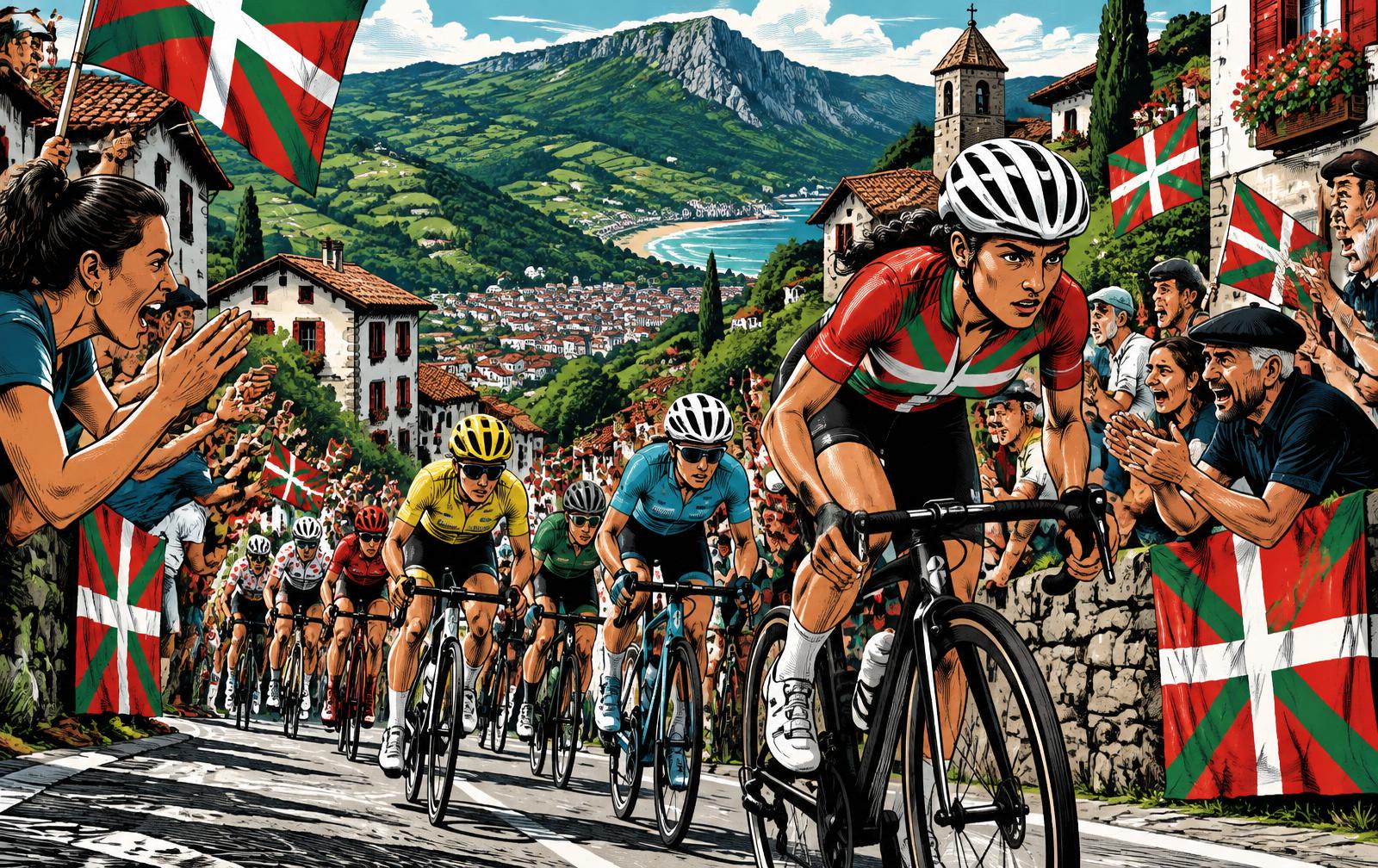
On the steep road to Lagunas de Neila, Usoa Ostolaza rode Laboral Kutxa–Fundación Euskadi onto its first Women's WorldTour stage-race podium. The result at the 2026 Vuelta a Burgos was small in the accounting of a season and enormous in what it represented: a Basque rider, leading a Basque team, proving that the region's women's project now belonged at the front of the world's biggest races.
"We are absolutely thrilled to have secured the team's first-ever podium finish."
A team built toward the invitation
Laboral Kutxa–Fundación Euskadi did not arrive overnight. The project grew through Basque development structures, local races and years spent outside the guaranteed WorldTour places. In 2025 it won 13 races, reached 29 podiums and climbed high enough in the UCI ranking to earn automatic invitations across the 2026 Women's WorldTour calendar as a ProTeam.
The distinction matters. Laboral Kutxa is not a WorldTeam; it is a second-division ProTeam whose sporting ranking opened first-division doors. That route gives the project both freedom and pressure. Every invitation is a chance to show that a regional identity can survive on an international calendar.
The rider who made it tangible
Ostolaza, from Zarautz, gave the rise a face. The 2024 Spanish road champion developed into a Grand Tour contender rather than being imported as one. Her fourth overall at the 2026 Vuelta Femenina and the Burgos podium allowed Basque supporters to see the pipeline working from local roads all the way to WorldTour contention.
Behind her stands a generational bridge. Ane Santesteban carried Basque climbing through a decade at the sport's highest level, raced ten elite road World Championships and won the 2013 Spanish title. After retiring, she moved into the Laboral Kutxa staff for 2026. Knowledge that once had to leave the region can now stay and compound.
The roads were already ready
Basque cycling has never lacked terrain or spectators. What changed was the platform offered to women. Itzulia Women now crosses all three Basque provinces in three WorldTour stages, finishing in San Sebastián. Its short history has already made the region a defining test for stage racers; Demi Vollering won three of the first four editions before Mischa Bredewold took the 2026 title.
The 2026 Itzulia Women route and civic commitment: Itzulia Women ↗
Durango-Durango Emakumeen Saria supplies the deeper roots. First held as a UCI race in 2001, its winners include Joane Somarriba, Marianne Vos, Anna van der Breggen and Annemiek van Vleuten. The race's endurance matters: a renaissance is more credible when it grows from institutions that kept going before global television arrived.
Durango-Durango race history: Durango Tourism Office ↗
More than one team
The test of a renaissance is whether it reaches girls who are not yet professionals. The Basque federation has explicitly used its women's championships to increase visibility, while the Lea-Artibai Txallengea grew into a three-stage event for cadet, junior and amateur riders. In 2026 it drew 205 entrants across those categories.
Women's championship visibility and growth: Basque Cycling Federation ↗
Lea-Artibai's 205-rider development field: Basque Cycling Federation ↗
The Basque Country has long understood cycling as public culture: flags on mountain roads, villages organized around race day, suffering turned into shared language. The women's renaissance is not the copying of that tradition. It is the completion of it — a team with access, races with history, a development ladder and riders who no longer have to leave home to imagine the top.