“You're Not Alone in Feeling Alone”: Sarah Roy on the Human Side of Pro Cycling
The Australian former pro's honest post about scrutiny, fear and life after the peloton — and why it matters to everyone who loves this sport.
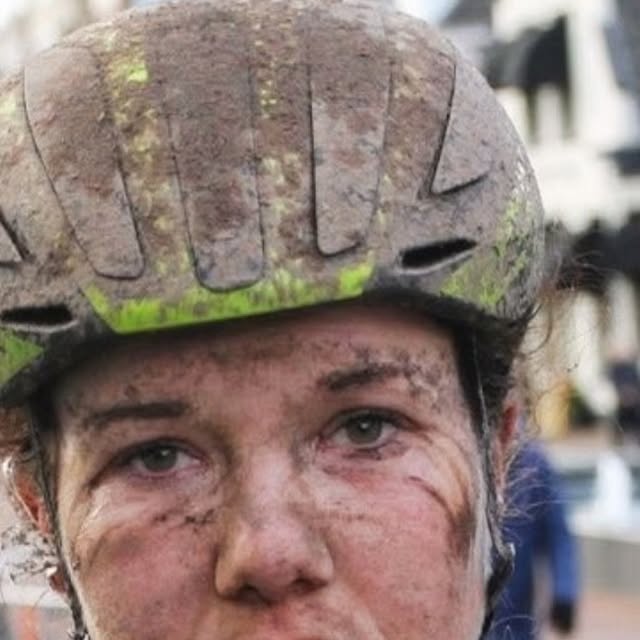
We spend most of our time on this site writing about wins, rankings, watts and records. That is the job of a cycling magazine. But every so often someone who has lived inside the sport says the quiet part out loud, and it deserves more space than a caption. This week it was Sarah Roy, the Australian former professional, in a post on Instagram that every fan of this sport should read.
What the results sheet never shows
Roy's post is not about one bad day. It is about the texture of a whole career — the way a life measured in performances slowly wears down the person inside them.
"Your performance, physiology, body and even personality can feel like they're always under scrutiny. Eventually, wins are quickly forgotten, and podiums aren't celebrated. Behind it all, the lingering self doubt and constant uncertainty of contracts and funding. The constant airports, hotels, time zones and time away from home can be incredibly exhausting. Missing parts of ordinary life brings a sense of guilt."
Read that again: wins quickly forgotten, podiums not celebrated. From the outside, a podium is the dream. From the inside, it can become the baseline you are punished for falling below. The sport's economy runs on comparison — every start list, every ranking, every contract negotiation is a fresh measurement of one rider against another. Roy names what that does to a person.
Why vulnerability feels like a risk
"Vulnerability can feel like a risk. Will you be seen as weak? Will it affect selection? Will what you say make its way back to the team or the media? High performance sport continues to reward pain tolerance, and emotional suppression. So many decisions are based off fear. Fear of falling behind, of losing your place, of letting people down, of not being good enough."
This is the part that should sit with everyone who covers, organises or watches this sport. When speaking honestly can cost a rider her selection, silence becomes a survival strategy — and the public version of the sport drifts further from the real one. The riders we celebrate for toughness are often paying for that image in private.
The exit
Roy is equally honest about what happens when it ends — something women's cycling, with its short contracts and thin safety nets, makes sharper still.
"When you retire, you don't just lose the sport, you lose the ecosystem. It's like you've just been released from prison. What now? What jobs are out there? How do I navigate a world that has moved on while I've been living such a different life? And where do I belong now? Where did everyone go?"
Why we're publishing this
A magazine like ours runs on stats and stories — on ranking riders, comparing eras, celebrating records. We think that coverage matters, and we'll keep doing it. But Roy's post is a reminder that every number on a results sheet belongs to a person carrying everything she described. The empathetic read of this sport is not a softer one; it is a more accurate one.
"Living in the high performance world and exiting it can be extremely isolating so it's important to surround yourself with people outside of it you can turn to. That you trust, who listen without judgement, and sees the person you are, not just the athlete. You're not alone in feeling alone."
If you take one thing from her post, take that last line. And if you know a rider — current, former, or anywhere in between — it might be worth reminding them of it. Read Sarah's full post on Instagram; it is worth every word.