The Romance of the Race, According to Orla
How @SportsOrla became a fixture of cycling — bringing wonder to the broadcast, demanding better for women’s racing and never apologising for colour.
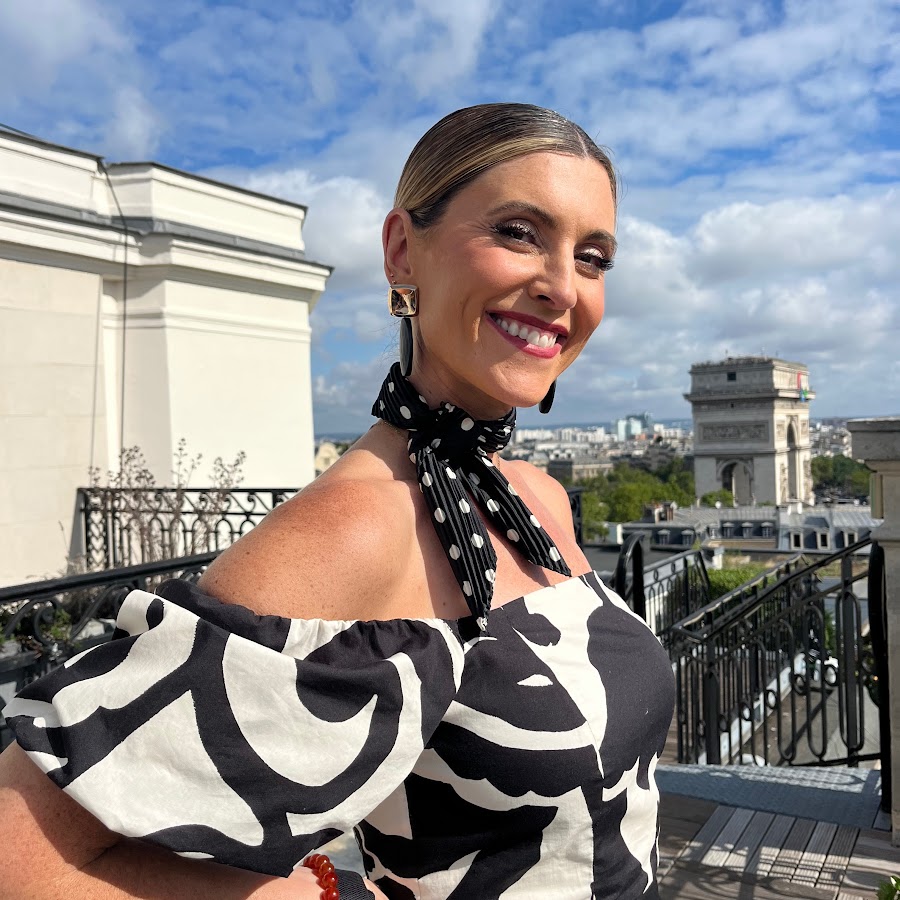
Before the analysis begins, before a rider has attacked or a team car has reached for the radio, Orla Chennaoui makes cycling feel like somewhere worth being. That is the particular force she brings to a broadcast: expertise without gatekeeping, colour without apology, and a conviction that the romance of the sport matters as much as its result sheet.
"But what is July, without the Tour de France? Without the romance, the orchestrated song and dance."
A love discovered at work
It was not the usual route into professional cycling. Chennaoui grew up in rural Northern Ireland, riding between cousins' houses and playing in rivers and fields, but she was an athlete rather than a young bike racer. Journalism took her through print, radio and television news. Cycling returned when her work around the London Olympics led her toward the British track programme and the new Team Sky project.
"I didn't get back into cycling until work reintroduced me to it, and I fell in love with it straight away."
Then came Tuscany: following Geraint Thomas, Ben Swift, Mark Cavendish and Steve Cummings over beautiful, winding roads for an early assignment. The landscape, the movement and the access all converged. Chennaoui told Cyclist she knew, there and then, that this was what she wanted to do for the foreseeable future. Her first bike race only pulled her deeper.
"You're following these riders through the beautiful winding roads of Tuscany, and I thought, ‘This is what I want to be doing.’"
The romance is not decoration
Chennaoui's 2020 Rouleur piece ‘Just a Bike Race’ is a love poem to the missing Tour: helicopters above hayfields, flags beside campervans, châteaux, crowds and old stories renewed every July. Its argument is not that a bicycle race matters more than the world around it. It is that ritual, memory and shared anticipation are among the things that make a difficult world bearable.
"Is it the peloton slicing through the sway of hay, as helicopters thunk their way through the summer air above?"
That romantic eye coexists with a journalist's instinct to ask what the picture leaves out. Chennaoui can move from the theatre of a Grand Tour to the practical freedoms of a bicycle society. After moving to Amsterdam, riding stopped being only sport. School runs, shops, appointments and nights out became journeys by bike; she wrote that this everyday movement transformed both her physical and mental wellbeing.
"I used to see cycling as a sport, but now it is an entire way of life."
A fixture, not a former racer
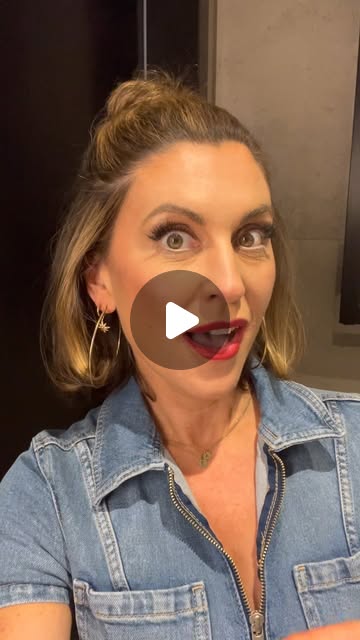
Chennaoui joined Eurosport as its lead cycling presenter in 2019 after years covering the sport at Sky. She did not arrive with a professional palmarès, and that became part of her strength. Her job is not to imitate the riders beside her on set. It is to know when to press them, when to make room for their knowledge and how to translate the hidden logic of a race without flattening its mystery.
"We all love watching bike racing, we genuinely just love to chat about it… but we all really care about the show."
On The Breakaway, that method feels conversational rather than instructional. The former professionals have lived the tactics; Chennaoui gives the discussion shape, pace and emotional range. She has described returning to the studio as coming home — laughing so hard with colleagues that, briefly, she forgot they were on television. That ease is earned. It lets viewers feel invited into the conversation rather than examined at its door.
Career and recognition: Cycling UK — 100 Women in Cycling profile ↗
Making women’s racing impossible to overlook
Her advocacy has never stopped at enthusiasm. Chennaoui co-hosted The Cycling Podcast Féminin, devoted to women's racing. She guest-edited Rouleur's first women's issue, deliberately answering the old claim that women's sport does not sell with stories, writers, illustrators and photographers strong enough to make a collector's issue. And she has used live television and social media to challenge coverage that fails the racing.
"With just four to 10 per cent of sports coverage given over to women's sport, we cannot pretend that market forces stand alone."
In 2026, when decisive Tour de France Femmes action happened before live pictures began, she objected publicly. Her point was structural: the race had repeatedly produced dynamic, dramatic sport, while restricted broadcast windows could still hide a crash or attack that changed the whole event. Visibility was not a reward to offer after the racing proved itself. Visibility was how the audience could witness the proof.
"The riders, the race has proven over and over again how dynamic and dramatic this sport is."
The day the race stood alone
For Chennaoui, the first modern Tour de France Femmes in 2022 brought the argument into focus. Crowds came for a race that stood on its own, not as an add-on to a men's event. On the final day, while England played in the Women's Euros final, a photograph arrived of her daughter and a friend watching sport at home. The distance between that scene and the sporting landscape of Chennaoui's childhood overwhelmed her.
"I felt so, so proud to be a part of it in a tiny way, and so happy to be alive at this time when everything's changing for our girls."
Her case for women's racing is also the simplest one: watch it. She has argued that its depth makes it objectively more interesting than ever — established champions are still winning while younger riders now reach professional development systems soon enough to challenge them. Advocacy here is not charity. It is attention paid to excellent sport.
"In the Women's WorldTour we see the very best riders at almost every race. And that's absolutely thrilling."
Colour as a declaration
There is another reason Chennaoui is instantly recognisable. Her television wardrobe is bright, expressive and entirely her own. It has also drawn the familiar judgement aimed at women in public: that clothes can somehow disqualify intellect. She has answered by refusing the premise. After postnatal depression and anxiety left her feeling she had lost herself, dressing boldly became a message to other women that personality can return — perhaps brighter and bigger than before.
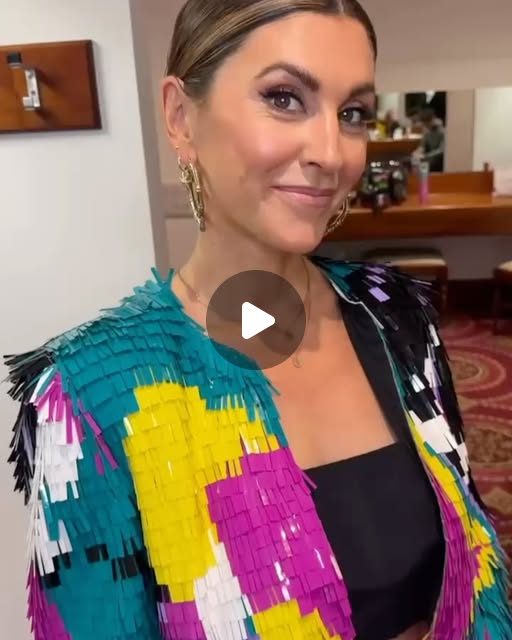
"If how I dress makes other people feel uncomfortable, that's not my problem."
Women, presentation and judgement in cycling: Rouleur — Top Table, 2021 ↗
Why her voice belongs to the sport
Cycling keeps many kinds of time. There is the clock on the finish line, the slow accumulation of a three-week race, the annual return to the same mountain and the decades it can take for women to receive the roads and airtime they deserve. Chennaoui understands all of them. She can explain what happened, insist that we should have been allowed to see it, and still leave room for wonder.
"Sport is such an antidote to all of it. It's a beautiful distraction."
That is what makes her a fixture rather than simply a familiar face. She does not stand outside cycling and decorate it. She helps the sport understand what is beautiful about itself — the roads, the rivalries, the shared language — while asking it to become generous enough that every rider and every viewer can belong inside the picture.